


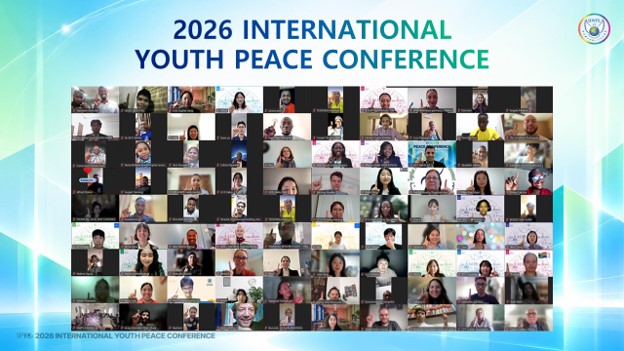
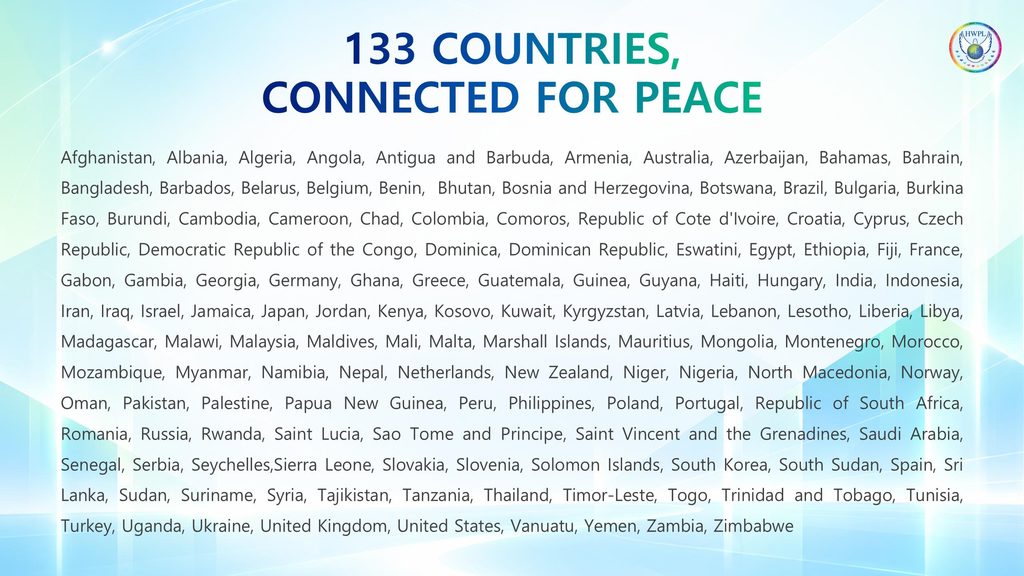
Young leaders from around the world are strengthening efforts to promote peace and human rights, with an international youth network reaching 1,890 youth organisations across 133 countries.
Windhoek, Namibia, Oct 16 — The Heavenly Culture, World Peace, Restoration of Light (HWPL) hosted the 2026 International Youth Peace Conference on 10 October under the theme “Global Youth Leaders Taking Action for Peace and Human Rights.”
The virtual conference brought together youth voices to reflect on their peacebuilding achievements, share experiences and explore practical ways young people can contribute to peaceful and inclusive communities.
A key highlight was the work of the International Peace Youth Group (IPYG), which continues to expand its international network and support youth-led initiatives aimed at addressing local challenges through peacebuilding.
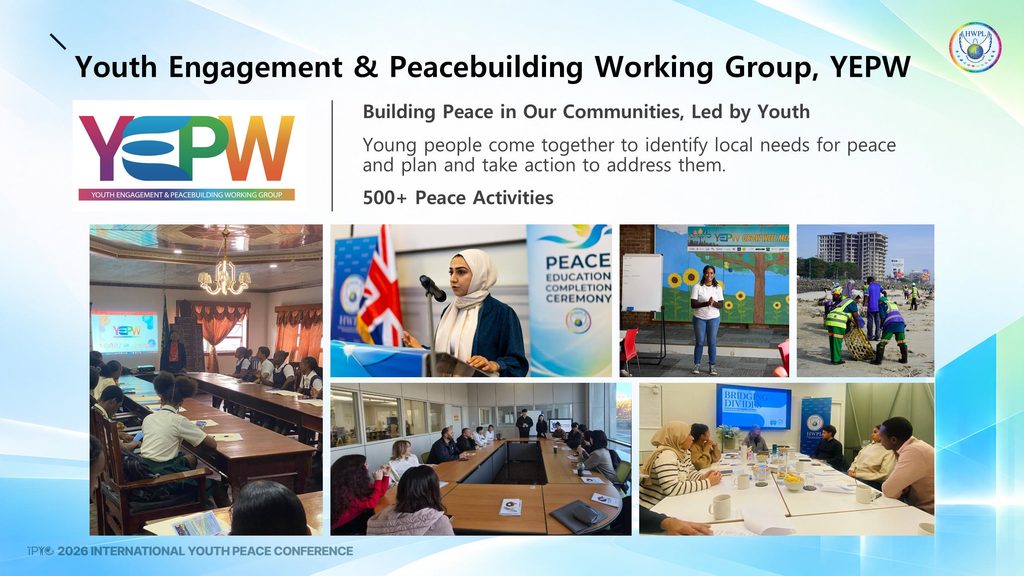
According to the conference presentation, the Youth Engagement & Peacebuilding Working Group held more than 500 meetings during the year, enabling young people to plan and implement activities responding to the needs of their communities.
The Youth Empowerment Peace Class has also reached approximately 12,000 young people from 89 countries. The programme provides non-formal peace education and encourages participants to apply what they learn in their communities.
The conference also highlighted an international youth programme held in South Korea from 17 to 19 September, bringing together 100 youth leaders from 40 countries. Through cultural exploration, lectures, discussions and practical activities, participants examined how peace can be promoted in their respective societies.
For young leaders, the message was clear: peacebuilding requires more than awareness and dialogue; it demands practical action.
Salif Bouné, founder of the Association of Pupils and Students from the Commune of Diaye Couras in Mali, said the experiences shared at the conference motivated young people to become more actively involved in promoting peace.
Similarly, Siju Thomas Daniel, founder of the SCEAD Foundation in India, expressed his intention to use the lessons gained from the conference to encourage more young people to speak up for world peace.
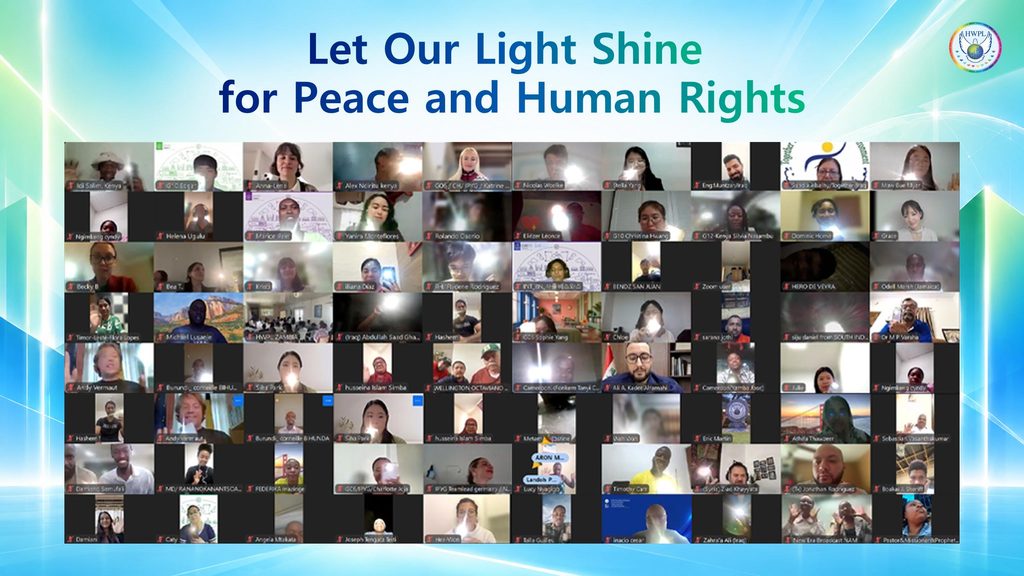
The event concluded with a symbolic performance involving music and light, as participants raised their mobile phone lights and waved their hands to express their shared desire for peace.
For African youth, the conference underscores the importance of youth participation in addressing conflict, strengthening human rights and building more cohesive communities.
As young people continue to organise, collaborate and implement community-based initiatives, their role in shaping a more peaceful future is becoming increasingly significant.
The challenge now is to translate the momentum generated by international gatherings into sustained action at community, national and global levels.


