


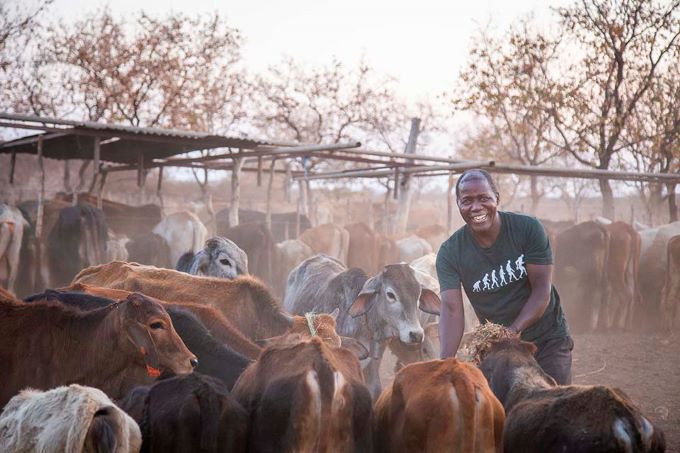
HARARE, March 25 — The El Nino-induced drought that hit Zimbabwe during the 2023-2024 agricultural season has pushed small-scale farmers to sell their livestock at below-market prices, local media reported Monday. Faced with little pasture and the prospect of losing their cattle, goats and sheep, farmers have heeded the advice of agricultural experts to get rid of unproductive animals and salvage some of their investment. Buyers, however, are taking advantage of their desperate situation and are offering low prices for the livestock, reported The Herald, Zimbabwe’s largest daily newspaper. Small-scale farmers in Sanyati District in Mashonaland West Province and Gokwe in Midlands Province said they were offloading their livestock at low prices to abattoirs, private butcheries, and middlemen. Cattle that normally fetch between 300 and 500 U.S. dollars are now being sold for between 150 and 200 dollars. The price of goats has also gone down from between 35 and 40 dollars to between 12 and 15 dollars.
The drought had a severe impact on crops and left many households without food. As a result, some buyers are offering them mealie-meal or small portions of maize instead of cash, the paper said. “We last received the rains in early January,” said Zvidzai Chaparadza, a farmer and councilor in Gokwe North District in the Gokwe region of Midlands Province. “The maize crop, which we usually depend on, has completely failed this time due to drought, and cotton has not been spared, leaving us without our usual sources of income to buy food and meet other household needs.” Government agricultural specialist Wisdom Gunzvenzve recently advised farmers to destock their herds by selling unproductive animals to mitigate potential losses from dwindling water and pasture. “We don’t want farmers to lose their animals. They should take the option of destocking during this time of drought,” he told the state news agency New Ziana. The government has launched a nationwide drought relief program to feed millions of people who face starvation because of the drought, which has also hit other parts of southern Africa. According to the World Food Program, about 2.7 million people in Zimbabwe will need food during the lean season between October 2023 and March 2024.
Xinhua proud partner of the African Youth Newspaper


