


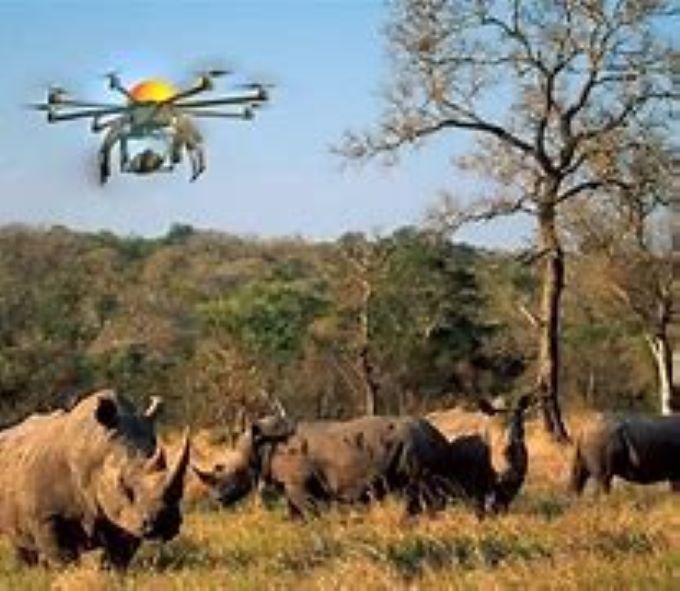
WINDHOEK, Feb. 7 — Namibia has deployed aerial surveillance as part of efforts to combat poaching and strengthen wildlife conservation, officials said Thursday. The Ecowings Namibia initiative, led by Namibian Conservationist and Wildlife Veterinarian Conrad Brain, conducted aerial patrols over Damaraland, home to one of the world’s last free-roaming black rhino populations, to monitor remote areas and assist ground teams in tracking rhinos. “Even if we don’t see much from the air, everyone on the ground sees us,” Brain said in a statement, explaining that the operation aimed to deter poaching by ensuring a visible presence in the skies. He said the initiative, which covered a distance of 12,800 km over 60.8 flight hours, involved multiple conservation partners and was supported by the Ministry of Environment, Forestry and Tourism and the Namibian Defense Force. He said those flights helped teams from Save the Rhino Trust, a local nonprofit organization, track wildlife and respond to potential threats. “When rangers found tracks but could not locate rhinos, the aircraft scouted vast areas to pinpoint the animals’ movements, enabling more effective ground-based monitoring,” Brain said. Pilots and observers also monitored disturbances, carcasses, and animal movement patterns, providing critical data on possible risks to Namibia‘s biodiversity. Ecowings Namibia also worked with local communities, where Brain took children from nearby villages on flights to give them an aerial view of their homeland and encourage interest in conservation. Brain said plans are underway to train more pilots in remote-area flight operations through a partnership with Westair Aviation, a leading aviation service provider in Namibia. “As custodians of some of the world’s last true wild areas, we have a responsibility to act. For now, and for future generations,” Brain said.
Xinhua proud partner of the African Youth Newspaper


