


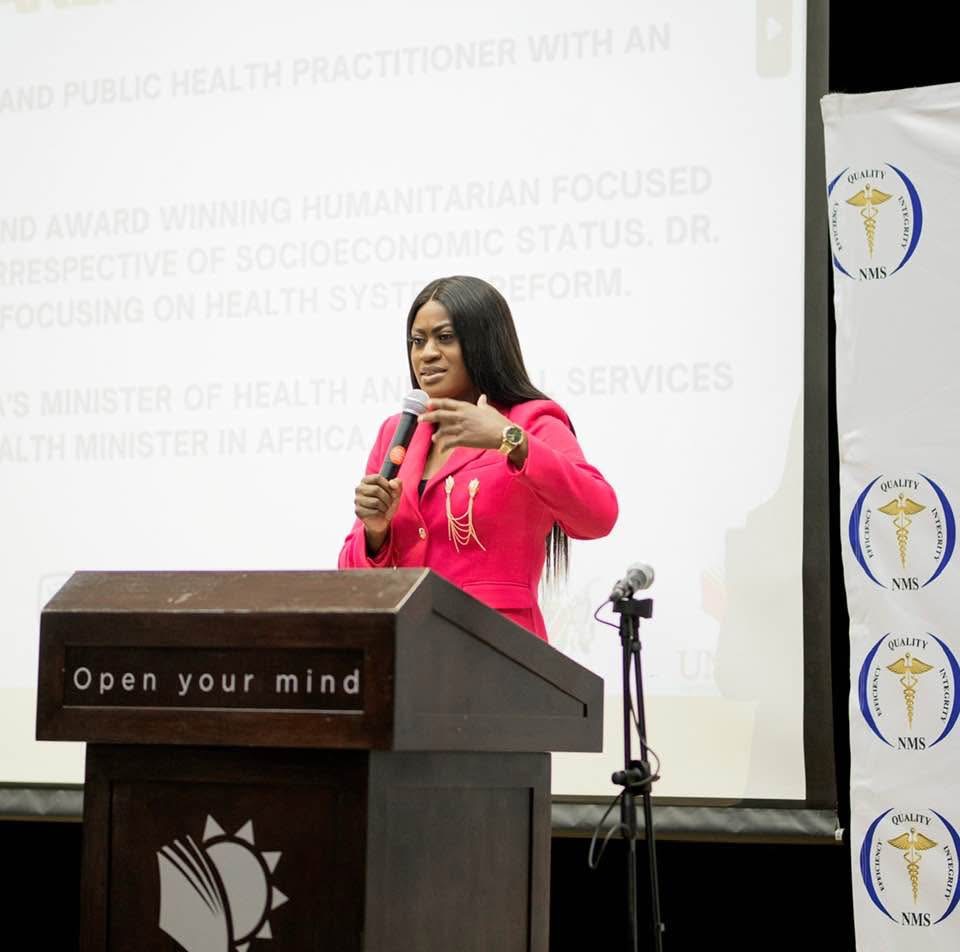
Guided by the vision of building a resilient health system for all Namibians, the Namibia Medical Society is hosting its Annual Scientific Conference under the theme “Resilience in Practice: Stakeholder Engagement, Research and Advocacy Towards a Responsive and Inclusive Health System in Namibia.”
The three-day gathering brings together clinicians, researchers, health professionals, and development partners to exchange knowledge and propose solutions to strengthen Namibia’s health sector.
Delivering the keynote address, the Minister of Health and Social Services, Dr. Esperance Luvindao, underscored the urgency of addressing systemic challenges that hinder service delivery. She highlighted key priorities, including strengthening infrastructure, ensuring essential diagnostic equipment is available, improving the supply of medicines to reach a 95% availability rate, and addressing persistent human resource shortages.
“The Ministry of Health cannot be treated like any other institution because it is about safeguarding lives. That is why we need a robust, proactive, and uncompromised health system,” Dr. Luvindao stressed. She further emphasized that Namibia cannot continue building a health system based on reactivity, but must instead invest in proactive approaches and decentralization to improve implementation and reduce pressure at national level.
The Minister reaffirmed her leadership’s commitment to driving reforms that will shape the system Namibians deserve, calling on all partners to support this national priority.
Also speaking at the event, the World Health Organization Representative in Namibia, Dr. Richard Banda, challenged stakeholders to strengthen collaboration in pursuit of universal health coverage. “We cannot achieve universal health coverage unless we build a system that serves everyone. To be impactful, evidence must inform decisions, and the data we collect must be actively translated into action,” he said.
Namibia Medical Society Chairperson, Dr. Ruben Kanime, highlighted the significance of the conference as a platform for dialogue and accountability. “This gathering allows us to raise the issues affecting health and to seek solutions. Those who must act need to hear these discussions, because strengthening the health system requires serious interventions,”.


