


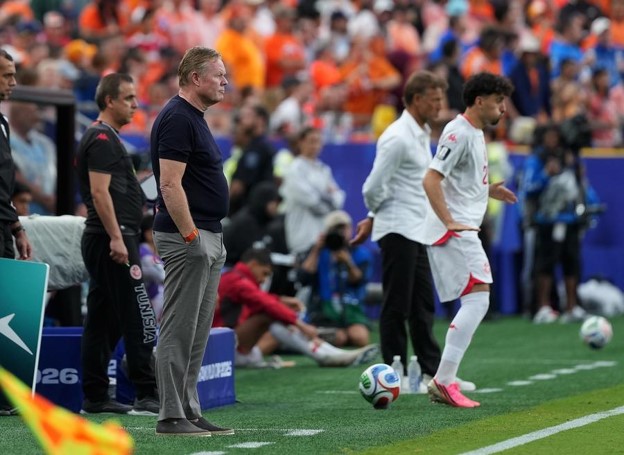
NEW YORK, July 2 — For players, a World Cup defeat often marks the end of a dream. For head coaches, it can mean the end of a job.
Even with the tournament still in progress, a string of team managers have already resigned or been dismissed after failing to meet expectations, underlining the unforgiving nature of football’s biggest stage. The Netherlands’ Ronald Koeman, Ecuador’s Sebastian Beccacece, Uruguay’s Marcelo Bielsa and South Korea’s Hong Myung-bo are the latest to step down following the departures of Scotland’s Steve Clarke, the Czech Republic’s Miroslav Koubek and Tunisia’s Sabri Lamouchi. The decisions had differing circumstances. Some managers arrived under pressure while others had earned widespread praise for navigating qualification, only to see those achievements quickly forgotten.
Bielsa accepted full responsibility after two-time champion Uruguay exited in the group stage without a victory. “For me, this farewell is very painful because of the hopes I had when I took on this project, [but] I cannot justify the position we finished in,” the Argentine said. Beccacece struck a similar tone after Ecuador’s round-of-32 defeat to co-host Mexico. “My contract ends as soon as the World Cup is over, and since we didn’t achieve what we promised, the best thing is to step aside,” he said.
The 45-year-old guided Ecuador to second place in South American qualifying and a 19-match unbeaten run before the tournament. Hong also accepted responsibility after South Korea crashed out in the group stage. “I failed to deliver the results the public expected,” the former defender said. “The responsibility lies entirely with me.” Koeman’s departure followed the Netherlands’ penalty shootout loss to Morocco, the team’s earliest World Cup exit.
Scotland’s Clarke resigned despite signing a new four-year contract only a month before the tournament. During his seven years in charge, he steered the team to its first World Cup since 1998 and twice qualified for the European Championship. Koubek also resigned after the Czech Republic finished bottom of its group, saying he was responsible for the poor results. Lamouchi was the earliest casualty. Tunisia dismissed the Frenchman after a 5-1 loss to Sweden in its opening match, making him one of the few coaches to lose his job during a World Cup.
Previous examples include Henryk Kasperczak, also with Tunisia, and South Korea’s Cha Bum-kun during the 1998 tournament. Spain also fired Julen Lopetegui two days before the 2018 World Cup began. For all the prestige that comes with leading a team at the World Cup, the margin for error is slim. A tournament that lasts less than six weeks can determine the fate of a head coach whose project took years to build.
Xinhua proud partner of the African Youth Newspaper


