

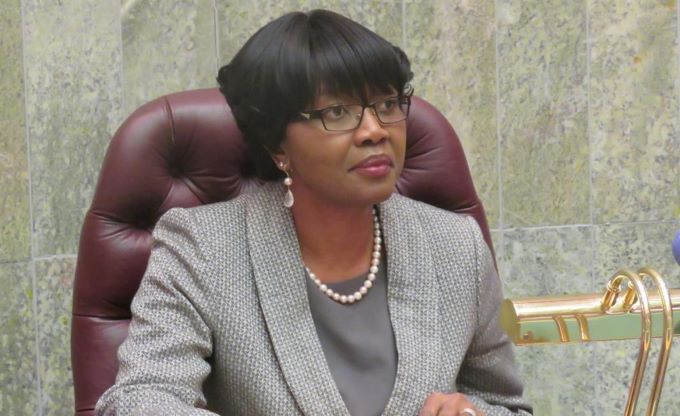
WINDHOEK, Sept. 20– Namibia is facing a 727-million-Namibian-dollar (about 41 million U.S. dollars) shortfall in its drought relief program as the country battles severe drought conditions caused by low rainfall during the 2023/2024 season. Speaking at the occasion on a drought relief donation in Windhoek, the country’s capital, Prime Minister Saara Kuugongelwa-Amadhila said the Namibian government has developed a drought response plan estimated to cost 1.3 billion Namibian dollars, but so far, only 596 million Namibian dollars have been secured. “We launched an appeal to the international community for assistance,” she said, adding that the government continues to strengthen funding for other social protection programs, without which the negative impact would be very high. “The government also continues with efforts to build resilience to national disasters through the development of resilience strategies and the mainstreaming of disaster risk management into national policies and programs,” she said. The program, which began in July and is expected to run until June 2025, includes a plan to provide food assistance for vulnerable households, support for farmers with seeds and livestock, and the provision of water to affected areas. A recent Integrated Food Security Phase Classification analysis revealed that 1.4 million Namibians, about half the population, are currently facing acute food insecurity. According to the analysis, this figure has doubled compared to last year, affecting all 14 regions of the country. In Namibia, a semi-arid country, water levels in dams have dropped by nearly 70 percent, exacerbating the food security crisis.
Xinhua proud partner of the African Youth Newspaper


