


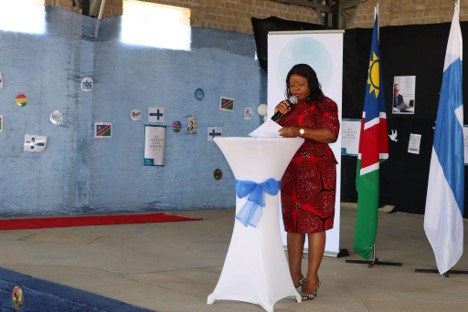
WINDHOEK, Nov 14 – Namibia and Finland have celebrated the inaugural Martti Ahtisaari Day, honouring the legacy of the late Finnish President and Nobel Peace Prize laureate whose diplomatic leadership played a significant role in Namibia’s journey to independence.
The celebration, held on Tuesday, 10 November 2026, placed particular emphasis on promoting dialogue, peaceful conflict resolution, reconciliation and equipping young people with practical skills to become ambassadors of peace in their communities.
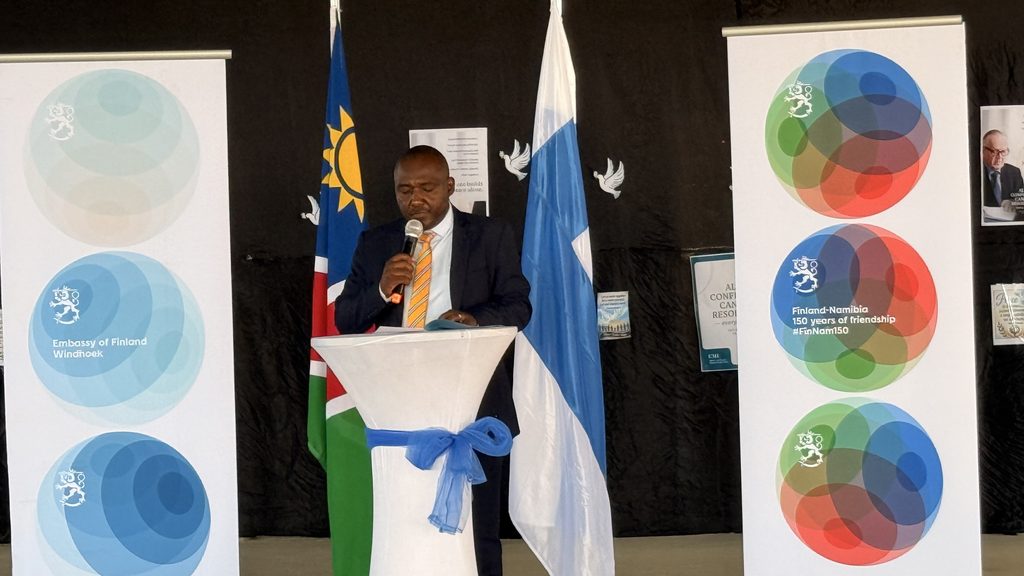
Speaking at the event, the Principal of Martti Ahtisaari Primary School, Romanus Garoeb, said the institution recognised that its responsibility extended beyond academic excellence to nurturing learners who value peace, respect diversity and embrace different cultures.
“As an institution that proudly carries his name, we recognise that our responsibility goes beyond academic excellence. We must also develop learners who value peace, respect diversity, embrace different cultures and understand the importance of solving disagreements through dialogue rather than conflict,” Garoeb said.
He added that the school aspired to produce responsible citizens, future leaders and ambassadors of peace within their communities and beyond.
Garoeb further highlighted the longstanding friendship between Namibia and Finland, noting that the relationship had translated into meaningful educational programmes and initiatives.
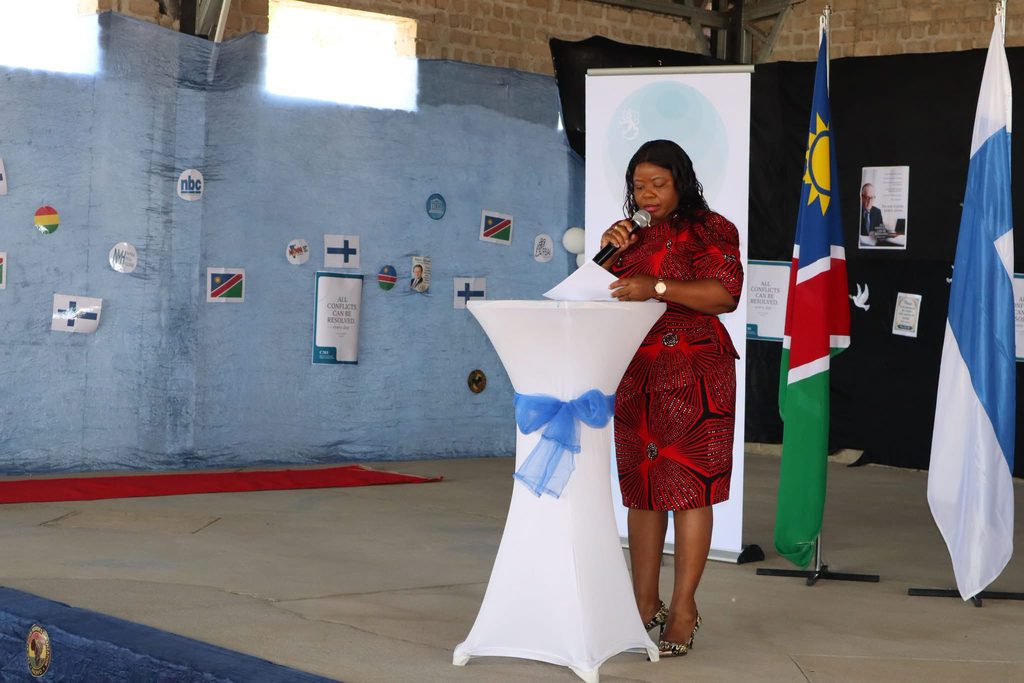
Namibia’s Deputy Minister of International Relations and Trade, Jenelly Matundu, said Ahtisaari’s unwavering commitment to dialogue, diplomacy, mediation and peaceful conflict resolution remained an important reminder of the role these principles play in addressing political differences and promoting lasting peace.
“Namibia will forever remain grateful for the exceptional diplomatic leadership, political courage and determination demonstrated by President Ahtisaari in overseeing the implementation of United Nations Security Council Resolution 435, which ultimately paved the way for Namibia’s independence on 21 March 1990,” Matundu said.
She also expressed appreciation for the steadfast support extended by the Government and people of Finland throughout Namibia’s struggle for independence.
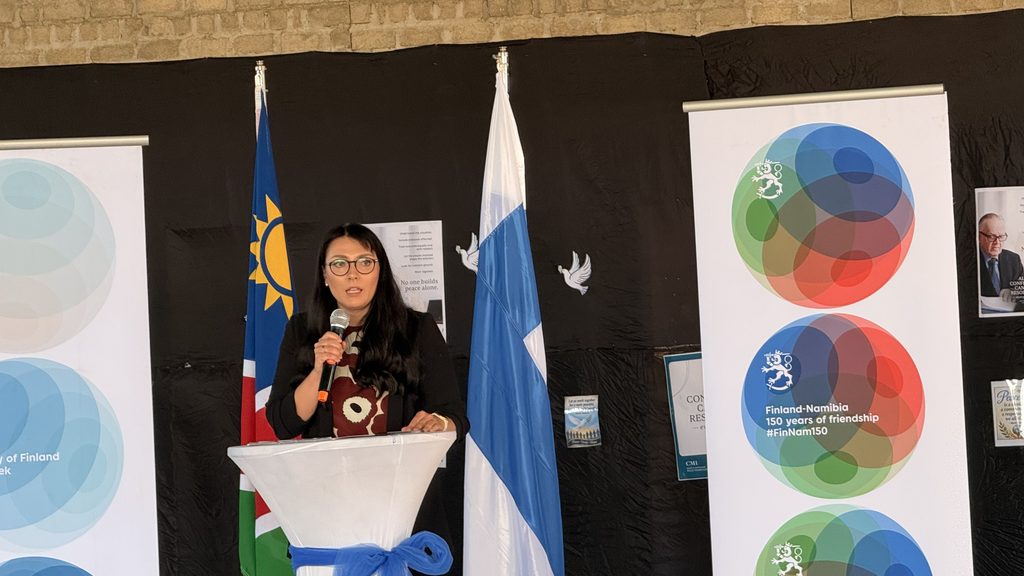
Finland’s Chargé d’Affaires, Tuulia Putkonen, reaffirmed her country’s commitment to supporting initiatives that promote mediation, conflict prevention and youth participation.
She highlighted the work of the Crisis Management Initiative (CMI) and the Martti Ahtisaari Peace Foundation, through which the Ahtisaari Days initiative has equipped thousands of young people with practical approaches to strengthening dialogue and resolving disagreements in their communities.
Putkonen said Finland and Namibia shared a strong commitment to dialogue, peace, international cooperation and the principles of the United Nations.
A Legacy Rooted in Namibia’s Independence
Martti Ahtisaari played a significant role in Namibia’s transition to independence, serving as the United Nations Commissioner for Namibia and later as the Special Representative of the UN Secretary-General, overseeing the United Nations Transition Assistance Group (UNTAG).
His leadership contributed to the successful implementation of the UN-supervised transition that culminated in Namibia attaining independence on 21 March 1990.
In recognition of his outstanding contribution to international peace and conflict resolution, Ahtisaari was awarded the Nobel Peace Prize in 2008.
Beyond commemorating his historical contribution, Ahtisaari Days have evolved since their establishment in 2011 from an annual awareness-raising event into a broader educational initiative focused on equipping learners with practical skills in dialogue, negotiation, mediation and peaceful conflict resolution.
The celebration also recognised the significance of Martti Ahtisaari Primary School in Katutura, which was renamed in 1997 in honour of his contribution to Namibia’s independence.
The school represents an enduring connection between Namibia and Finland and provides an important platform for passing Ahtisaari’s values of peace, understanding and reconciliation to future generations.
Young People at the Centre of Peacebuilding
For young Namibians, the celebration served as a reminder that peacebuilding is not exclusively the responsibility of political leaders, diplomats and international organisations. It begins in classrooms, families, schools and communities through respect, active listening, tolerance and the willingness to understand different perspectives.
As Namibia continues to strengthen national unity, social cohesion and youth participation, initiatives such as Ahtisaari Days offer an opportunity to integrate peace education into the everyday experiences of young people.
Ultimately, Ahtisaari’s legacy demonstrates that sustainable peace requires more than political agreements and diplomatic negotiations. It demands continuous commitment from individuals and communities to resolve differences constructively and build societies where everyone has an opportunity to contribute.
For the younger generation, the message is clear: peace is not only a legacy to be remembered, but a responsibility to be practised and protected.


