


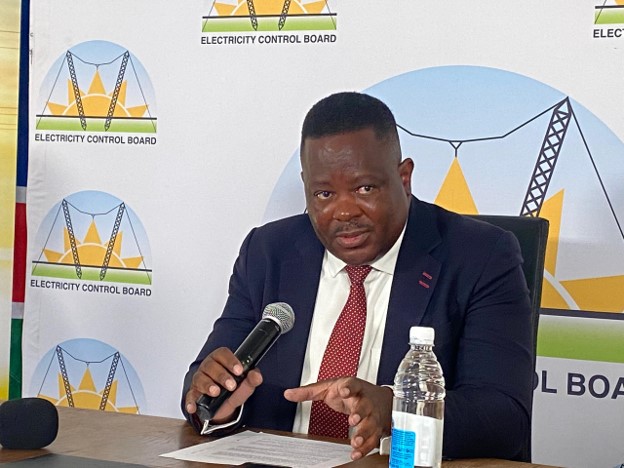
Windhoek, Aug 24 –The Electricity Control Board (ECB) has released its National Electricity Infrastructure Status Report for
2024/2025. Each year, the ECB inspects electricity networks around the country to check that they are safe, well maintained after and able to deliver a reliable supply to consumers. This year’s report shares what those inspections found across all 14 regions of Namibia.
The inspections looked at the main players who generate, transmit and supply electricity, including NamPower, the Regional Electricity Distributors (REDs), Municipalities, Town and Village Councils, Regional Councils, Farmer Schemes and Mines. Each network was rated as either satisfactory (in good working order) or poor (in need of urgent attention).
Overall, Namibia’s electricity network is in a satisfactory condition. The high voltage “backbone” that carries power over long distances, and is run by NamPower, is well maintained and reliable. The bigger differences show closer to homes and businesses, in the networks that deliver electricity locally. This is where the report points to the areas that need the most work.
Areas served by REDs, generally performed better than areas where electricity is run directly by a local council. Among the REDs, CENORED, which serves the Otjozondjupa area, stood out as a strong performer keeping its network in good order. NORED, in the north, still has a number of non- compliance issues to address, although it has a maintenance system in place that helps keep those risks manageable.
Where electricity is run by Local and Regional Councils rather than a RED, the networks generally fared worse. //Kharas Region had the most concerns, followed by Hardap and Omaheke Regions. There were bright spots, however: Khomas (served by the City of Windhoek) and Otjozondjupa both kept their networks in good condition.
Farms and Mines
Thirteen farmer schemes, electricity networks that farming communities run themselves, were inspected, and most were found to be struggling: eight of the thirteen (more than 60%) were rated poor. This is largely because running an electricity network is not these farmers’ main job, and many face challenges with skills, funding and upkeep. Rather than singling out individual farms, the ECB is working to support the sector as a whole to lift its standards.
Among the seven mines inspected, most were well maintained. Namdeb was the main exception, accounting for more than half of all the problems found in the mining sector because of ageing equipment and too little maintenance. Who provides electricity Overall status Keynote
NamPower Satisfactory Reliable and well maintained RED areas (e.g. CENORED) Mostly satisfactory Best performers; NORED still improving Council-run areas Mostly poor //Kharas weakest, then Hardap and
Omaheke
Farmer schemes Poor 8 of 13 need urgent attention Mines Mostly satisfactory Namdeb the main poor perfomer.
Tsumebs power outage issue
Separately, the ECB is pleased to confirm that the frequent power interruptions previously experienced in Tsumeb have been resolved, following the completion of corrective maintenance and network improvement works.
A second round of technical checks led to a series of upgrades aimed at making the local network more reliable and stable. These included improved protection and fault-detection equipment, the installation of a new device by NamPower to better record and analyse faults, the testing and activation of additional safety systems, and repairs to damaged wiring and equipment covers.
The ECB takes comfort from the fact that the national network is in good overall shape and that the country’s main power backbone is stable and reliable. Just as importantly, the report shows clearly where the problems are, so the ECB can work with the right institutions to address them. The ECB will step up its engagement with the institutions that need assistance, support the creation of new REDs for the southern and central parts of the country, and work with the relevant ministries to help under-
resourced councils fund proper maintenance.
“The findings confirm that our electricity network is in good shape overall, and that gives us real comfort. At the same time, the report is honest about where the weak spots are, especially in areas where electricity is run by Local Councils rather than by a dedicated company. We will keep on monitoring such studies so that problems are spotted early and fixed before they affect people’s safety or their electricity supply,” said the ECB Chief Executive Officer, Mr Robert Kahimise.
The ECB will keep carrying out these yearly checks and working with electricity providers and partners to make electricity supply across Namibia safer, more reliable and of better quality.


