

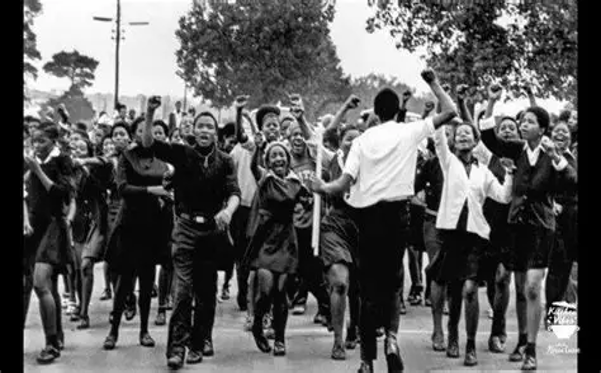
JOHANNESBURG, June 17 — South Africa on Tuesday marked National Youth Day, commemorating the 50th anniversary of the 1976 Soweto Uprising, a defining moment in the country’s struggle against apartheid.
The official ceremony was held at the FNB Stadium Premium Parking Precinct in Johannesburg, where President Cyril Ramaphosa delivered the keynote address. Ramaphosa paid tribute to the youth of 1976, praising their courage and sacrifice. He said their actions helped turn the tide against apartheid and drew global attention to the brutality of the regime after images of injured and slain schoolchildren were broadcast around the world. “They faced bullets with bare hands. They confronted injustice with extraordinary bravery. And through their sacrifice, they changed the course of our nation’s history,” he said. The 2026 National Youth Day marks 50 years since thousands of students in Soweto took to the streets in protest against the apartheid government’s decision to enforce Afrikaans as a compulsory medium of instruction in schools for Black children.
The apartheid government had already undermined the education of Black children through the Bantu Education Act of 1953 and its inferior curriculum, Ramaphosa said, adding that the introduction of Afrikaans as a medium of instruction became the catalyst for widespread resistance. Thousands of primary and high school pupils joined the demonstrations, which were met with tear gas and live ammunition from police. In his keynote address, Ramaphosa said the youth of 1976 fought against racial oppression and an unjust education system, while today’s young people face different challenges, including unemployment and inequality. He said youth unemployment stood at 46 percent, with more than 4.7 million young people unemployed. The challenges confronting young people today are rooted in deep-seated inequality and stagnant economic growth, he said, adding that addressing them requires a “comprehensive and urgent” response.
Ramaphosa said the government was expanding public employment, youth service and workplace experience to address the challenges facing young people. He said more than 5.7 million young people had registered on the SA Youth.mobi platform, with more than 2 million gaining access to earning opportunities. The Presidential Employment Stimulus had also created work and livelihood opportunities for more than 2.5 million unemployed South Africans. He said the government was also reshaping the skills system so that qualifications lead more directly to work and enterprise, including by strengthening Technical and Vocational Education and Training colleges and linking them with employers and local economic needs. “Unemployment must be seen as a societal problem. All stakeholders in our country must work together to provide sustainable solutions to reduce unemployment among young people,” he added.
Xinhua proud partner of the African Youth Newspaper


