

CAPE TOWN, Nov. 25 — South Africa is stepping up efforts to find alternative export markets and protect jobs amid the possibility of losing preferential access to the U.S. market under the African Growth and Opportunity Act (AGOA), President Cyril Ramaphosa said on Tuesday.
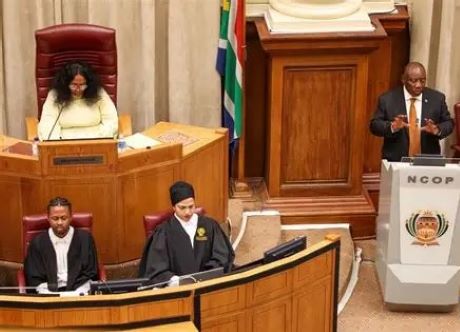
Ramaphosa made the remarks while answering questions from lawmakers in the National Council of Provinces at Parliament in Cape Town, as South Africa prepares for the possible withdrawal of its AGOA beneficiary status by the United States from Jan. 1, 2027. The United States on Nov. 2 gave South Africa 60 days’ notice of its intention to terminate the country’s beneficiary status under AGOA, which provides eligible sub-Saharan African countries with preferential access to the U.S. market. Ramaphosa said South Africa had leveraged the 18th BRICS Summit, held in India in September, and related business engagements to promote trade, investment and industrial cooperation. The president said South Africa was also leveraging the African Continental Free Trade Area (AfCFTA) to diversify exports and reduce dependence on any single trading partner. “Since preferential trade began in January 2024, the AfCFTA has opened markets for our manufactured goods, agricultural products and machinery,” he said, emphasizing that the government was working to raise awareness of the trade arrangements, address non-tariff barriers and develop regional value chains.
Ramaphosa said that China’s zero-tariff treatment policy for African products offered another opportunity to expand exports, while the Southern African Customs Union was pursuing an early harvest arrangement with China and a preferential trade agreement with India. On relations with Washington, Ramaphosa said the government continued to engage the United States on bilateral trade, but was not relying on a reversal of its decision to withdraw South Africa’s AGOA benefits. He emphasized that South Africa wanted trade negotiations with Washington to take place on a bilateral basis rather than be subjected to unilateral decisions by a key trading partner. Ramaphosa said the government had begun seeking alternative markets following U.S. President Donald Trump’s “Liberation Day” tariff announcement in April 2025, when South Africa was among the countries targeted with higher U.S. import duties. Ministers and other senior officials had travelled abroad to pursue new trade opportunities, he said, with South African products, both agricultural and manufactured, well received in the markets being explored. The government was also working closely with affected industries, particularly the automotive and agricultural sectors, to limit potential job losses and protect productive capacity, Ramaphosa said. He added that the government had introduced a range of support measures, including an export help desk to assist companies in finding new markets, financial assistance for exporters, and incentives covering part of the costs of registering products in foreign markets.
Xinhua


