


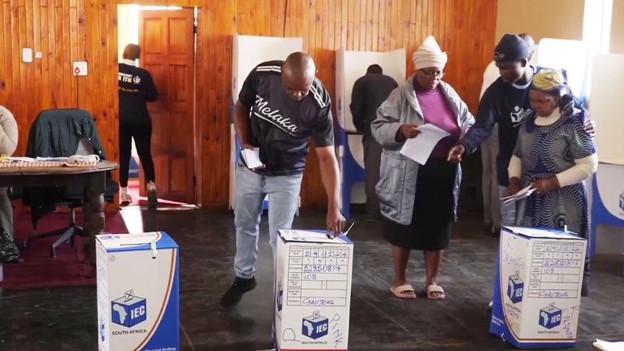
JOHANNESBURG, Nov. 9 — From the busy streets of Soweto to the densely populated Alexandra township and the expanding suburbs of Sandton and Midrand, residents across greater Johannesburg are looking beyond political victories in South Africa’s 2026 local government elections.
They hope the incoming municipal leadership will translate campaign promises into tangible improvements in their daily lives, including better public services, more employment opportunities and safer communities. For many residents, the elections are about more than which political party wins the most seats in a municipal council. They want leaders who remain accessible, listen to community concerns and take responsibility for addressing local problems.
DAILY CONCERNS BEHIND BALLOTS
In Dube, Soweto, residents say their concerns centre on the relationship between political representatives and the communities they serve. “Every time there is an election, politicians come here and make promises. But once the elections are over, you hardly see them again. We just want someone who will listen to us and make sure our basic services are working,” said Dube resident Thabo Mokoena. In neighbouring Zola, unemployment remains a major concern, particularly among young people who say political commitments must be followed by practical measures to create opportunities. “The biggest problem here is unemployment. There are so many young people sitting at home, and honestly, we are tired of hearing politicians telling us that things will get better. We want actual opportunities, not just promises,” said Nompumelelo Dlamini, a Zola resident.These concerns reflect broader challenges facing South Africa, where unemployment, poverty and unequal access to economic opportunities continue to shape public expectations of the government. For many residents, local government is the level of administration they encounter most directly. The condition of neighbourhood roads, the reliability of water supplies, refuse collection and the maintenance of public spaces all influence how they assess the performance of elected representatives.
SERVICE DELIVERY UNDER PRESSURE
In Alexandra, where overcrowding, ageing infrastructure and inadequate municipal services remain major concerns, residents want long-standing problems addressed. “You cannot tell people to be patient when they have been living with these problems for years. When it rains, some streets are flooded, and there are sewage problems. We need people who will actually come here and fix things, not just make promises,” said Sipho Mthembu, an Alexandra resident.
Further south, in Naturena, residents say reliable municipal services and community safety should remain priorities regardless of which political parties assume leadership. “We are not asking for too much. We just want clean streets, working streetlights and reliable water and electricity. Whoever takes over must remember that people still have to live with these problems long after the election campaigns are finished,” said Lerato Mokoena, a Naturena resident. In Sandton, a major commercial and financial centre, residents are concerned about municipal accountability, infrastructure maintenance and the quality of services they receive in return for paying rates and taxes.”People pay rates and taxes, so they expect something in return. It is frustrating when basic things are not attended to, or when complaints take forever to be resolved. The municipality needs to be more responsive and accountable,” said Rudzani Netshifhefhe, a Sandton resident.
Meanwhile, in Midrand, rapid population growth and urban development have placed increasing pressure on roads, transport networks and other infrastructure. “Midrand is growing so quickly, but the infrastructure is not keeping up. You can see it in the traffic, the roads and even the pressure on water and electricity. The city needs to plan ahead instead of waiting until everything becomes a crisis,” said Kagiso Molefe, a Midrand resident. The concerns highlight the wide-ranging responsibilities of local government, which include water and sanitation services, refuse collection, municipal roads, electricity distribution where provided by municipalities, and urban planning. They also underscore the importance of accountability at ward level, with residents expecting councillors to maintain regular contact with communities and respond to complaints throughout their terms of office.
TOUGH CHALLENGES
The expectations come as South Africa emerges from a closely contested local government election that has reshaped the political landscape in municipalities across the country. The Electoral Commission of South Africa (IEC) announced the results on Sunday for the Wednesday elections. The IEC Chairperson Mosotho Moepya said that approximately 14.9 million people cast their ballots from a registered electorate of 29.2 million, putting national voter turnout at 52 percent, up 6.1 percentage points from the 2021 local government elections.
The African National Congress (ANC) remained the country’s largest political party, securing 30.76 percent of the vote, followed by the Democratic Alliance (DA) with 24.64 percent. The uMkhonto weSizwe Party (MK Party) received 9.77 percent, the Economic Freedom Fighters (EFF) 6.22 percent and ActionSA 5.67 percent, according to the IEC’s official announcement. In Johannesburg, however, the DA emerged as the largest party in the 270-seat municipal council, winning 91 seats. The ANC secured 63 seats, followed by ActionSA with 43, the EFF with 17 and the MK Party with 15. No party obtained the 136 seats required for an outright majority, making coalition negotiations central to the formation of the next municipal administration. The fragmented outcome reflects a broader challenge facing local government across South Africa: political parties must increasingly negotiate with one another to establish governing arrangements and secure support for municipal budgets and policy priorities.
For Johannesburg residents, the immediate concern is whether these political negotiations will produce a stable administration capable of maintaining essential services and addressing long-standing problems. The city’s next leadership will face pressure to improve infrastructure maintenance, strengthen financial and administrative accountability, address service-delivery backlogs and create an environment conducive to investment and employment. Ultimately, the success of the incoming municipal leadership will not be measured solely by the number of council seats secured, or the political agreements reached after the election. It will be judged by whether residents see cleaner streets, functioning infrastructure, more reliable services and greater opportunities in their communities. Having heard similar promises in previous elections, many residents will be looking for concrete evidence of change rather than another round of political assurances.
Xinhua proud partner of the African Youth Newspaper


