


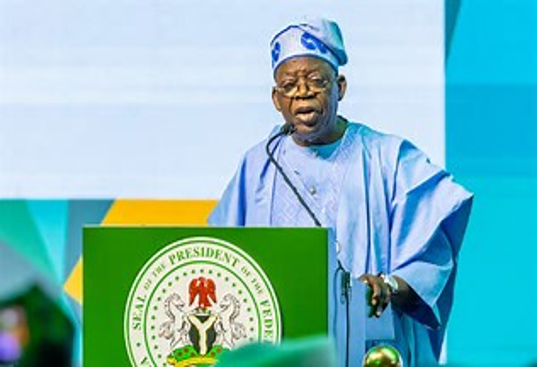
ABUJA, June 18– Nigeria on Wednesday completed its transition from analog to digital terrestrial television (DTT) broadcasting, a move expected to improve broadcast quality, boost the digital economy and free up spectrum for broadband services.
The digital switchover is a strategic investment in national digital infrastructure aimed at expanding access to information, education and economic opportunities, Minister of Communications, Innovation and Digital Economy Bosun Tijani said at the national launch of the project in the capital, Abuja. According to Tijani, the launch of the digital switchover was more than a broadcasting milestone, as its significance lies in what it means for ordinary Nigerians. The project, managed by the National Broadcasting Commission, will provide greater access to information as well as educational and cultural content, while improving service quality and ensuring that citizens are not disadvantaged because of where they live, the minister said. A FreeTV platform was unveiled during the launch ceremony. Viewers will require a digital receiver or set-top box to access the free-to-air digital signals, which are expected to provide improved picture quality and a wider range of programming without subscription fees. Tijani said the Nigerian government had approved the deployment of 90,000 kilometers of open-access fiber-optic infrastructure nationwide, in addition to two new satellites aimed at strengthening communication and digital services. In a statement posted on X ahead of Wednesday’s launch, Minister of Information and National Orientation Mohammed Idris said that although the project had faced years of delays, its completion would “transform broadcasting in Nigeria, and open up unprecedented opportunities for broadcasters, content creators, advertisers, talent, and many more.”
Xinhua proud partner of the African Youth Newspaper


