


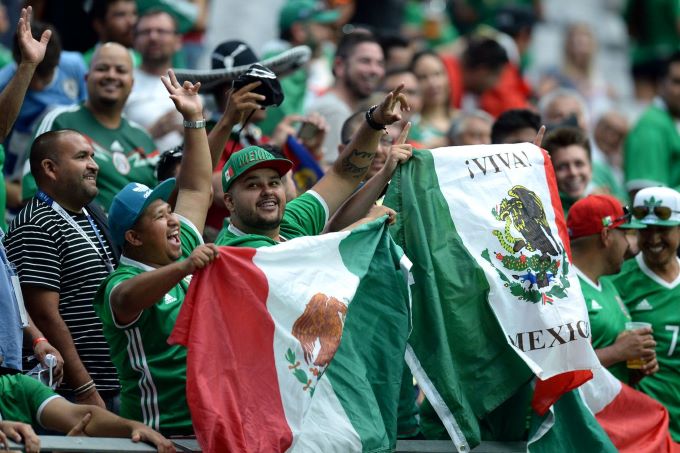
JOHANNESBURG, June 15 — As the 2026 FIFA World Cup unfolds, African football fans find themselves deeply divided over whether to support South Africa’s national team, Bafana Bafana. For many, the joy of continental solidarity has been overshadowed by recurring xenophobic violence and the mistreatment of African migrants within South Africa’s borders.
Historically, African nations have rallied strongly behind any team from the continent that qualifies for the World Cup, echoing the widespread support Ghana received in 2010 or Morocco in 2022. However, for South Africa, repeated anti-foreigner attacks linked to domestic economic frustrations have severely eroded that pan-African goodwill. Social media reactions have starkly highlighted this rift. Following South Africa’s 2-0 defeat to Mexico in their opening game, a vocal group of users across the continent openly celebrated the loss, citing xenophobia and anti-immigrant sentiment as their reasons for withdrawing support. Patricia Banda, a Malawian national living in Johannesburg, told Xinhua that although she usually backs African teams at major international tournaments, she could not bring herself to do so this time. “I’ve celebrated African victories before because they felt like victories for all of us,” Banda said. “But after witnessing how some foreigners are treated here, I can’t support the team in the same way.”
Chinedu Okafor, a Nigerian trader based in Johannesburg, echoed her sentiments. “I love football, and I usually support African teams at the World Cup. But because many Africans living here have experienced such hostility, I withdraw my support for South Africa,” he explained. The backdrop to this tension is South Africa’s ongoing socio-economic struggles. Plagued by high unemployment and strained public services, the country has seen periodic outbreaks of violence targeting foreign nationals and foreign-owned businesses. Vigilante groups frequently blame undocumented migrants for crime and job scarcity, leading to a climate of fear for many expatriates. “I chose to support Mexico because I wanted to send a message,” a Ghanaian football fan said in an online interview. “Many Africans have stories about discrimination and exclusion in South Africa. Until those concerns are taken seriously, support cannot be taken for granted.”
However, the boycott is far from unanimous. Many African supporters argue that sport should remain a unifying force, separate from political and social grievances. “Football should unite us, not divide us,” said Alain Ndzi, a Cameroonian expatriate. “We can condemn xenophobia while still supporting an African team representing the continent on the world’s biggest stage.” South Africans themselves hold mixed views on the backlash. Lerato Maseko, a university student in Johannesburg, cautioned that directing anger at ordinary football fans overlooks the efforts of citizens who are actively working to build a more inclusive society. “We cannot ignore the problems that have existed,” Maseko said. “But we should also recognize that many South Africans reject xenophobia. This World Cup is an opportunity to show the values of ubuntu (humanity) and remind ourselves that Africa’s strength lies in its shared unity.”
Outside a shopping complex in Johannesburg’s Yeoville neighborhood, a diverse area home to many African diaspora communities, Zimbabwean mechanic Tawanda Chirongonde noted that loyalty must be earned. “People support teams because they feel connected. Respect goes both ways. Many Africans contribute positively to South Africa’s economy and communities, and that needs to be acknowledged.” The debate has transcended South Africa’s borders, sparking intense discussions on social media platforms in countries like Kenya, Ghana, Nigeria, and Zambia. “Football is bigger than our disagreements,” wrote one Ghanaian user on X (formerly Twitter). “When an African team wins, the continent celebrates.” Conversely, a Nigerian user countered: “Solidarity should mean something in real life, too. It’s difficult to cheer without acknowledging the experiences of fellow Africans who say they have faced discrimination.” In Kenya, a prominent sports blogger urged supporters to use the tournament as a catalyst for introspection. “Support the team if you wish but also keep the conversation alive about how Africans treat one another across borders,” the blogger wrote.
Xinhua proud partner of the African Youth Newspaper


