


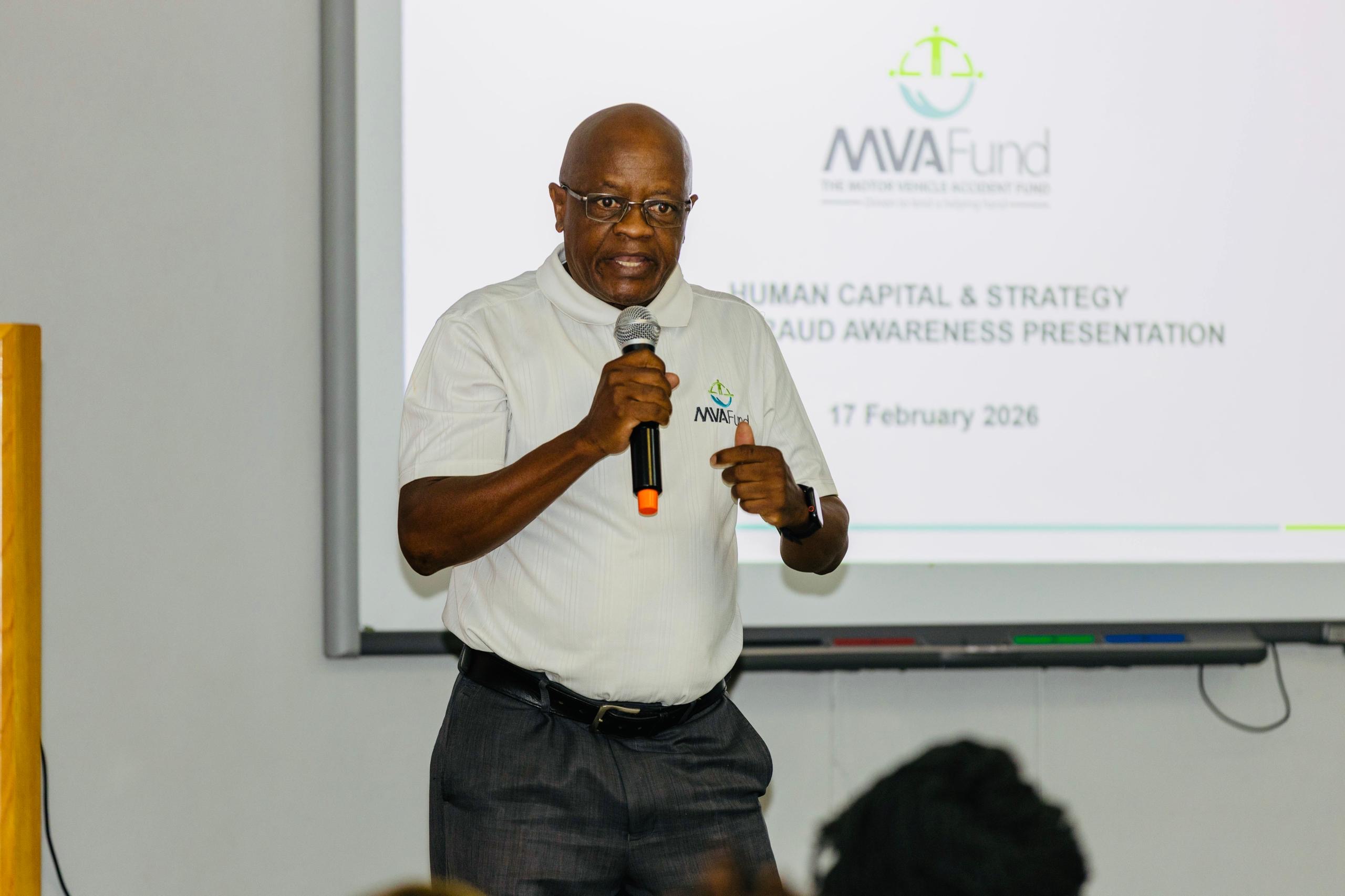
With road crashes claiming young lives across Namibia, the Motor Vehicle Accident (MVA) Fund has ramped up prevention efforts by targeting future drivers at the University of Namibia (UNAM) Khomasdal Campus this week. The initiative places early behavioural influence at the heart of the Fund’s national road safety strategy.
The Workplace Road Safety Programmer engaged students and staff, many in the 16 to 40 age group Namibia’s most crash-affected demographic. Recent data reveals that 66% of road crash injuries strike this economically productive bracket, highlighting the need to curb risky driving habits before they take root.
This campus activation unfolds amid rising national alarms over pedestrian safety. Between January 2025 and January 2026, pedestrian-related crashes climbed 4%, while fatalities jumped 23% from 163 to 200 deaths. The Khomas Region leads in such incidents, followed by Erongo.
From 1 January to 15 February 2026, Namibia logged 336 crashes, 599 injuries, and 56 fatalities an 18% drop in deaths from the same period in 2025, yet still above 2024 levels. These trends underscore the urgency of proactive measures.
The MVA Fund is zeroing in on young and emerging drivers, especially students gaining independent mobility. Research shows early road safety education shapes long-term behaviour, decision-making and traffic law compliance.
Participants gained hands on advice on responsible road use, pedestrian awareness, and self-policing. The Fund outlined its mandate, claims processes, benefits, and fraud prevention, while stressing the Toll Free Accident Response Number (9682). Attendees learned step by step first-response actions at crash scenes.
The Fund’s Emergency Medical Response team demonstrated how swift reporting and proper interventions save lives, especially in urban hotspots like Windhoek, where pedestrians face high risks.
Motor vehicle crashes inflict deep socio-economic damage, eroding household incomes, workplace productivity, and national growth. By reaching students, the Fund fosters road responsibility among tomorrow’s professionals, engineers, teachers, entrepreneurs, and policymakers.
This programme anchors the Fund’s wider strategy to weave road safety into workplaces, schools, and communities. Employers and institutions are encouraged to collaborate on tailored education efforts.


