

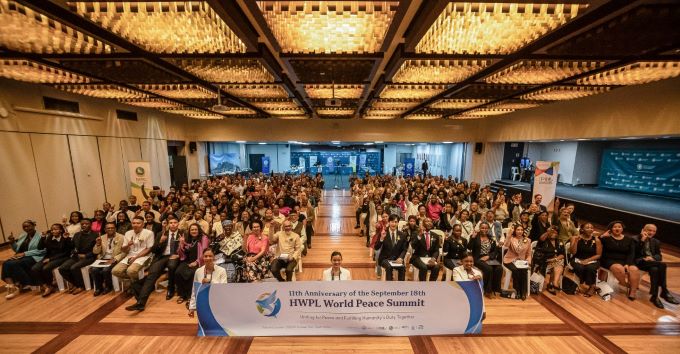
Windhoek, Oct 16 – The Southern African branch of Heavenly Culture, World Peace, Restoration of Light (HWPL) successfully hosted a regional commemoration of the 11th Anniversary of the September 18th HWPL World Peace Summit in Cape Town this past weekend. The event brought together community members, youth leaders, educators, policymakers, traditional and religious leaders, civil society, and the media to reflect on over a decade of peacebuilding and chart pathways for the region’s future.
Held under the theme “Citizen-led Institutionalization of Peace in Southern Africa’s Evolving Landscape,” the gathering highlighted the urgent need for community-driven approaches to addressing challenges such as youth unemployment, gender-based violence, social unrest, and the lingering legacies of conflict and inequality. The commemoration built on the global summit held in Cheongju, Republic of Korea, where 800 international leaders gathered, including representatives from Southern Africa whose attendance underscored the region’s active role in shaping the global peace agenda. Their contributions in the local
summit emphasized the state of violence and conflict in the region and the need for Ubuntu, restorative
justice, and community solidarity as guiding values for building sustainable peace.
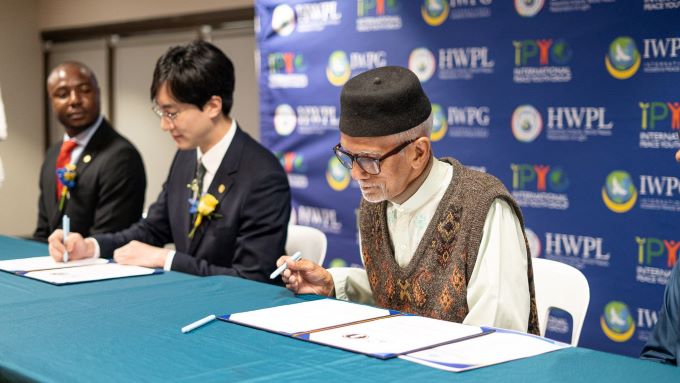
Furthermore, the local event in Cape Town, gathered over 280 participants, including government officials, traditional leaders, educators, faith leaders, women and youth representatives. Highlights included inspiring peace reports, heartfelt testimonies, a dynamic panel discussion, and the signing of a Memorandum of Understanding (MOU) between HWPL and the Ahmadiyya Muslim Jamaat, symbolizing strengthened interfaith collaboration for peace. The participants present reflected on how to strengthen youth leadership through the International Peace Youth Group, expand women’s participation in conflict resolution via the
International Women’s Peace Group, and broaden the reach of peace education across schools and
communities. They also advanced the Legislate Peace campaign, calling for peace and human rights to be firmly embedded within national legal systems. Together, these focus areas created a unified framework that places young people, women, education, and legal advocacy at the heart of Southern Africa’s peacebuilding vision.
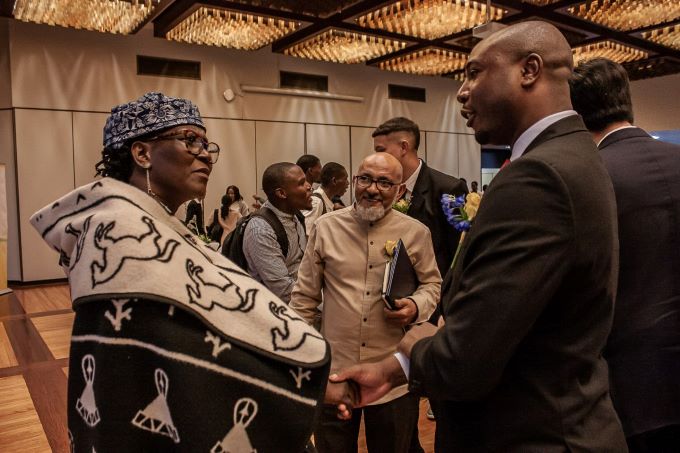
In an interview, Mrs. Noangelina Debeshe, the Principal of Morifi Community High School in Lesotho shared: “Gatherings like these empower educators to take information back to our schools and our country too… The HWPL curriculum has transformed school and working with HWPL has even transformed the village around us. We sometimes, go out to the area around our school and sow the seed. I am telling you now, in the area around the school, fights and conflict has stopped… I wish everyone in their schools can realize, accept and realize the value of peace education, that they can do everything they can to bring
about the teaching of HWPL peace education curriculum, for it helps transform students. They [The students] will therefore, become better citizens and the world will be changed.”
The Cape Town commemoration concluded with a renewed call for collaboration across borders and sectors, with participants committing to strengthen partnerships in peace education, youth leadership, women’s empowerment, and inclusive dialogue. The event served as both a celebration of 11 years of global peace efforts and a powerful reminder that lasting change begins with citizen action at the grassroots level.


